Episode Transcript
[00:00:00] Speaker A: In this episode we discuss Nicole Hannah Jones decision to send her own daughter to an under resourced public school as a part of an effort, apparently to be a part of the solution to the problems faced by inner city schools. And consider if there are actions that can address the increasing disparity in American school systems. And later on we take a look at the controversy involving McLemore, Ed Sheeran and Robert Kraft and the inherent difficulty our society has in dealing with an issue like at the intersection of humanity and anti war sentiment, anti Semitism and oligarch control.
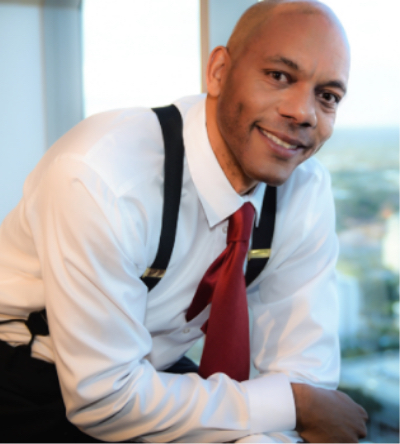
Hello, welcome to the Call Like I See it podcast. I'm James Keats, and joining me today is a man whose impassion takes sometimes hit people like verbal intercourse. Tunde. Ogunlana Tunde, are you ready to show us today how you stay sharp as a guillotine?
[00:01:08] Speaker B: Yeah, I'm gonna leave that one alone.
[00:01:10] Speaker A: It's not the show.
All right, just let it sit there. That's good. All right. Now before we get started, if you enjoy the show, I ask that you subscribe like the show on YouTube or your podcast app. Doing so really helps the show out. And we're recording on September 29, 2026. And Tunde recently, Nicole Hannah Jones, the journalist who is probably most well known for her work on the 1619 project, set the Internet on fire with her article in Fighting for Every black Child, Did I Betray My Own? And it was published in the New York Times. And in this article she discussed her decision from a decade ago to eschew sending her daughter to more rigorous or resourced schools that she has access to as an upper middle class parent and actually send her to an inner city public school that would be considered by typical measures as understaffed, underfunded and underperforming. In the piece, she talks a lot about that experience for her and for her, her husband and her daughter, and also appears to express some regret or at least questioning of whether she did her daughter a disservice, as the title would suggest.
Now, in the weeks since the article was published, it's generated a lot of takes and discussion which included criticism from parents, opportunistic criticism from people who don't like her, from some of her other stuff, and some support as well from those who at least understand maybe what she was trying to do, whether they agree or not what she did. But in the event, you have to say that being able to generate discussions around something this thoughtful and honest is probably a good thing for society. But Tunde, I want to get us started on Our discussion and I want to touch on the education system later on. But to start us off here, tell me why or why do you think Nicole Hannah Jones's experience and her laying this out really struck a chord with so many people in our society?
[00:02:59] Speaker B: Great question. I think it's because it's very personal obviously being a parent and how we deal with our kids educations. The other thing I think is that she exposes a lot in the article. There's some hypocrisies. I think that a lot of people have been told about public education that if maybe parents just show up, if people in the middle class, upper middle class just show up and kind of integrate their schools with parents and a PTA with skills and all that, that that somehow is going to magically change the outcome for the kids. And I think what her question brings to light is a question we have a lot in America, especially today, which is what is the role of the overall system in society versus what is the role of the individual and in this case the individual parent as well as the child. And I think one of the things that her experience shows that she's given us for the last 10 years with this is that an extremely gifted parent or gifted parents from an upper middle class or upper class household, if they put their child into an inner city school that is underserved, they are limited in their ability to still help their child navigate and get a positive educational experience. So I think that's.
So that's one thing. I think the second thing, James, I thought about it was Hannah, Nicole Smith herself specifically is not an unknown person.
She created the polarizing.
Yeah, Nicole Hannah Jones. Apologies.
She created the 1619 Project.
And you know that's. That was a very controversial thing almost a decade ago. So I think that a lot of the responses we're seeing are just the natural confirmation bias. I think from some people in certain corners, it's confirming that her kind of woke liberalism that she actually acknowledges that maybe the things that she was saying before aren't correct. And I think there's another camp of people that are just coming from it, from their own confirmation bias and different things and maybe trying to protect how public schools are seen in inner cities and all that. So I just think this is another example of the Internet with someone who's already known for something is piling on a bit. But I think the first part of my answer is really where I'd focus on in terms of anyone that wants to take this serious, which is the systemic versus the individual.
[00:05:20] Speaker A: Yeah, yeah. I think that you, you raised. And I would say you said personal, I'd say personal and relatable both because, you know, people raise kids a lot. You know, many people raise kids. And so we can relate to having to make decisions that we know will influence outcomes for our children. And so, and this was a bold and risk taking decision, you know, and then she wrote about it previously and, and so, you know, seeing this and then seeing her lay it out with the honesty that she did was, was, was pretty jarring.
And the other thing, I think you really nailed it, man. It's we a lot of times and I say we, me, myself included, when we're looking at the school systems and so forth and we look, oh well, if parents were more involved with their kids, if there's more on the parent side, then a lot of schools would do better just if the parents were more attentive and so forth. And so to have it so that she has a reasonably bright daughter and if you put her in this environment, we tend to think that there's something wrong with the kids in the environment. Oh, that's why the kids are underperforming grade level and all that kind of stuff. Well, this was kind of like a social experiment in this sense where she had all the resources from when she came home. Her parents are very engaged in her education.
Hey, what you guys do today? What's going on? What are you working on? You know, all this all kind, all, all the stuff that you're supposed to do as an intensive parent and being interested and, and, and calling the school if something's going up or everything like that. They do all of that stuff, all of the quote unquote right things to do as an active parent and because of the school her child is behind, behind grade level when she goes, and she's in high school now and she goes there and she ends up, you know, not understanding the foundations of math stuff and she's trying to do algebra and stuff. And it's like, wow, like if there was ever an indictment on if you try to do everything within your control, yet you are in one of these environments that are again understaffed, underfunded and all that stuff, then you're still likely to come up short, you know. And so to me, what it revealed, this level of deficiency that you can't say, oh well, just if the parent was more attentive here or if the child, because the child, once her daughter gets, you know, it gets in a better environment, the, the, the grades and the, and the performance Come right up. And so it's like. So it's not. The kid is not smart enough either. So, I mean, it really, like, in. In my mind, I'm looking at this and I'm like, man, we as a nation have to grapple with the fact that we're setting up vast majorities of people for failure in this scenario. Like. Like, that, to me, is the inescapable conclusion here. And so, yes, there are people taking pot shots because they want to take shots at her there. I've seen, you know, even people in the black community that. That are like, oh, you know, you. You. This is. You know, you're cosplaying or you shouldn't be doing this. A lot of people don't have choices. You have choices and you do this and. And so forth. Like, so there's. There are a lot of ways that you can feel uncomfortable about this, but a lot of times with that, and you've talked about this in the past, you're making it about you, which people tend to do. But really, to me, the. The. What this is really about is like, man, we are. I mean, to use a kind of a phrase from the 90s, we're leaving a lot of kids behind.
And just structurally, the setup is one where it is. The norm will be that all of these kids are going to be left in a place where it's like, oh, my gosh. What? You're just. You're going to start off life and spend a good chunk of your life behind.
[00:08:37] Speaker B: Yeah, man. No, that was a great point. And one of the things I wanted to share, both you and the audience, is actually my personal life.
So my oldest son is 28, and this would have been maybe about 15 years ago. He was 13. And unfortunately, we've lost my mom since then. But when she was alive, I was having a lot of issues with the public school. We live in South Florida for people. The audience that some people may know, the school districts down here, unfortunately, the South Florida public schools have fallen off in the last decade or two, and they used to be very robust up until probably the early 2000s. And so the, you know, the question became, as my son was getting older, and I saw that the education that he was getting in the public school wasn't up to my standards. Also, the way he was getting treated in the school, I felt was a little bit unfair, you know, that they were kind of picking on him for reasons we didn't understand other than, you know, maybe the way he looked, that kind of stuff. And so. And we basically, I was talking to my mom and said, I'm putting him in private school.
And my mom, I'll never forget it, actually got on me and she was very adamant that I should reconsider because if families like ours begin to leave the public school system, I remember her saying this specifically, the families that are left won't know how to advocate to power. And I remember she said specifically, Tunde, you run a business, you're kind of that kind of guy.
You're not scared to go to a town hall meeting and go yell at the mayor or your congressperson and ask for more support for your district or your school system and all that. And she said, but if you, if everyone like you leaves, all the middle class, upper middle class people start leaving the public school system, the lower income people don't know how to do that. They don't know how to talk to power. And the public school system in America eventually will go to hell in a handbasket. And you know, I've thought about that over the years, that the result was I didn't listen to my mom. I ended up putting my son into private school. I do, I'm glad I did that. He ended up, you know, graduating high school, graduating four year school degree, and now lives in a different state doing cyber security, making six figures. So I'm glad that I took my own instinct, however, and not to knock my mom, but I. This article reminded me of that conversation. That's why I wanted to share. Yeah, because. Yeah, because I just feel like, you know, there's still that tension in me from what I discussed at the beginning of the, of the, of this, you know, the first answer I gave about.
I do believe that we have a systemic obligation to make sure the next generation of Americans are able to work. Because let me just say this and then I'll hand it back for my America first crowd. When we were having that HB1 visa spat a year and a half ago, my thought was the reason why certain people are saying we need to bring in workers from India and all that to be in the tech world is because Americans aren't well educated. My thought was instead of investing in all this other stuff, why don't we just invest in education? And at least in a generation, maybe we can just hire Americans to do these jobs.
[00:11:45] Speaker A: But that brings it, like, why is this needed? You know, the fact that people would need these, these visas suggests that something is wrong.
[00:11:52] Speaker B: Something's efficient here.
[00:11:54] Speaker A: Yeah, yeah, yeah, exactly.
[00:11:55] Speaker B: Unless, James, for a different discussion, we want to talk about oligarch control of wages and salaries for non citizens in America. But that's a whole different discussion. So I apologize.
[00:12:03] Speaker A: Yeah. But no, no, I, I remember, I mean, when I first saw this, I thought of you immediately. I was like, oh, I got to send this to Tunde, you know, like this. Because what your mom was talking about is literally what Nikole Hannah Jones is wrestling with. And, and so what is my obligation to my community versus what's the obligation to my child? And the, the, the, the Nicole Hannah Jones piece ends with the point of, okay, well, why do we make parents have to make that choice? You know, what's good for our community versus what's good for, for us individually or our children. And it really is an impossible choice from that standpoint because as you pointed out, like, you have an obligation to your child, but your mom isn't wrong that, hey, if any, everyone who has worked hard to create options for themselves, been fortunate also in many cases to create options for themselves. If all of those people see something that may not be working that right, and instead of rolling up their sleeves and try to make it better, just hit eject, then the thing that isn't working right, is going to keep getting worse and keep getting worse. And so I think that we've seen that. I mean, and that's a part of, to me, it's a, it's a part of, it has to be a part of this discussion because the, we have vast persistent disparities between the, you know, schools that perform and schools that don't.
Some people want to say, oh, well, that's a race thing, or that's. And it's not. If this article, this experience demonstrates that what we're talking about is a systemic thing, funding, staffing, resource, all of the things that allow a place to meet its objectives.
In some schools, those things are provided, and in other schools they aren't. Now, other schools also, the only thing that stood out to me is that places where, or you'll end up in situations where people. It'll be a higher concentration of students with learning disabilities at the schools that are least able to deal with that, that have no less funding. So, I mean, do you think this issue is solvable in America in 2026 like this? We have vast persistent disparities, you know, and it's, it seems like it's divergent. You know, the best schools are getting better, more competitive, and, you know, very rigorous. The, the worst schools seem to be floundering, so to speak, and there's no more money coming in the door. And it's not an issue. I'd say this solves just with money. But there's no more organization coming to the door. There's no more will coming commitment coming in the door beyond just the good hearted people that are already there. So you know, is this something like is there a solve? Is there? Oh, we just need to centralize more. We need to decentralize more. We just need to, you know, like
[00:14:33] Speaker B: what do you think man? I will say this, this, this symbolism of having the founder of WWE as the Secretary of Education is not a good one.
[00:14:45] Speaker A: Not a good.
[00:14:45] Speaker B: Let's just start there. Not again, that's the symbolic. You know, she's probably a very nice person and very successful in business. But that, you know, that, that's symbolic, you know, of fake wrestling.
[00:14:56] Speaker A: Hey, that's, that's amusing ourselves to death.
[00:14:58] Speaker B: As, I mean as, as you know, entertainment is now the new form of education. So.
I don't know James, I don't think so. I think this is an issue that is so complex in our society. Maybe more than other first world nations we observe today.
And let me put it that way. I don't think when I think about other countries like England, Australia, Canada, China for example, I feel like they don't argue about the need to educate the next generation the way we do.
I feel like they just, it's more matter of fact like of course we want the smartest people that we can in our country. And you know, this is part of a future investment in our own society. I think with us you bring up something very important.
Less centralization and more local control. So that's one thing in American culture. I think when you, when you look at what does it take to have a robust public education in a country as large as ours. I hate to say it James, because I'm a capitalist dude. That's a ones. A wealth management firm and all that. But it takes taxation, right? Takes a transfer of wealth partially from those who have it to everyone else. And in our world.
[00:16:07] Speaker A: Just let me add something real quick because this is always like of course, like it takes a transfer of wealth from those who have it, right? Well, of course the wealth has to come from those who have it. Like people. No, I'm not saying that to you. I'm just saying people like oh, why is it. Oh why are we looking at, you know, the well to do is always having to come through with the money. It's like. Cause that's they got the money.
[00:16:26] Speaker B: You know, like let's, let's let's play this tape. James, you play well.
[00:16:30] Speaker A: You play basketball. And when they were looking for the people. Hey, man, people aren't getting the rebounds. You know, what's going on guys, they weren't looking at the short guys. They were looking at when the guys. When we needed somebody to go get the rebounds, it was for the tall guys. We needed somebody to bring the ball up the floor. It was the short guys with the handle, like. So it's not having a. Having different roles to play is not something that doesn't make sense in any kind of situation where everybody's on the same team, you're going to have different roles to play.
[00:16:56] Speaker B: Yeah, well, that's the point I'm making about America. A lot of people don't feel like they're on the same team in our country, and for whatever reason, or don't
[00:17:03] Speaker A: want to be on the same team.
[00:17:04] Speaker B: Yeah, that's what I'm saying. That. That's a whole different discussion. But. But just to finish this point here, because if you think about it, James, think about America, pretty kind of 1930s, right? You had this. This education was very, like you said, it was decentralized, which is okay, but there was no real consistent funding and all that. Now you go to the 1930s, and the new Deal top tax rate was raised to 90%. Now, that could be argued that that's a bit high and all that. So that's not for this show. But the idea is that by the 1950s, a generation later, between robust public education around the country and a GI bill that sent 10 million Americans to college for free, you then had the seed sown for the greatest empire that, you know, the world has ever seen for the last 50, 60 years in the United States. So that, to me is debt. Just goes back to the beginning of this conversation, and like you said about the limitation of an individual parent against that large systemic need for capital investment for the future of the country. I'll give you one thing I thought of in preparing today, James.
One of the things that really burst my curiosity in elementary school, and this is a serious statement I can remember right now in my memory, the first time I saw a cell under a microscope, and I probably was in fourth or fifth grade, I don't know, like that kind of young age, 9, 10 years old maybe.
And I remember seeing, like, I don't know if it was amoeba or blood cells. I saw stuff moving in there and a mitochondria and all that. And to me, it was just amazing that there was this whole little like world that was just that I couldn't see with my eyes, but when you might do this microscope. And so, and I remember my mom ended up getting me a microscope for home and all that. And my point is, I thought about that in preparing for the show and I thought, thank God that public school I went to just outside of Washington D.C. was properly funded so they could buy microscopes so that kids like me could get curious. And to this day, I'm still curious about these things. And I was a lazy student in college, but I ended up being a pre med major for the first two years before I failed chemistry three times. My point is, is that that curiosity probably came from that experience as a mic with the microscope as a kid. So that's all just sorry to take up, take up too much time. But.
[00:19:13] Speaker A: Well, I think that. So my answer, you know, like, is this an issue that's solvable? In theory? Every issue is solvable, more or less.
Now I think you identified though some of the constraints. So like, if we want to compare ourselves to other first world countries, there are countries that aren't as large as us, okay? So when it's smaller, everybody's closer together physically and kind of emotionally, you know, like they see themselves as tied together more so. So we have a large country that's very spread out, so people don't oftentimes feel themselves as in the same boat or in many cases, you know, like we have some messaging out there, people who actively are trying to, to. To own their own family or their own countrymen. And like, hey, we want our countrymen to fail. You know, these guys, we don't like them. And so we have messaging out there like that. And so some of that's the nature of the size. Now when you have really, really big. One way to make that work is to make everything very centralized. You know, so China is very, very big. And so they do things very centralized. But we, we don't like that. And I'm not arguing that that is the way to do it necessarily because I don't think that what was done, you know, a previous generation, as far as no Child Left behind in that approach, delivered the kind of results we were looking for either, in my opinion. I mean, and this is just my view of the situation. We have these constraints, you know, really, really big, really, really decentralized and not a, not a culture that would allow centralization to work. And then also, like you said, not everybody pulling in the. Not everybody wanting to pull in the same boat. Not everybody Wanting the. The. A nation of Americans to. To do well. And that's just. There's just some people, you know, like, it's like, okay, yeah, we can try to change all of their minds, but actually, no, they'll probably just be trying to undermine whatever most of us are trying to do at any given time. So with all that, I think that for it to be solvable, I think we have to recast what we're trying to do. And really this goes back to the whole thing. Keeping the main thing. The main thing.
I see the bigger problem that maybe our schools focus on too much. And some of this is that, you know, in some respects, and in some areas, schools are just glorified daycares and other. It's like super college prep. We're trying to do this. So there may be tracks where people can do like the current rigorous. And then there may be other tracks where you do have an academic setup and you are learning. You know, you're. You're reading, you're doing. You're. What are the three Rs, right? Reading, writing, arithmetic. But we're also doing other things to keep them engaged, to get. Keep people in the. Into the idea of learning. Because that's kind of the biggest thing that I think that we can address is with children, let's get them more into the idea of learning. And how you do that may not be with 6, 7 periods of all these different things, you focus on less, you try to do that better. And then if we can do more from that, do more. But. And again, I'm not saying you don't learn the. You don't learn things that we consider foundational. But maybe again, my only solution, and I don't know, I'm not an educator, so I don't know exactly how you implement this, but when you're trying to do a lot and you're doing it poorly, a lot of times, the better approach is to try to do less and do it better. And so that, to me, is the only type of thing that I can come up with here, where it's like, okay, yes, how can we make it so. Make it. Make sure that as far as reading skills, as far as reading comprehension, as far as, you know, mathematics, as far as understanding, you know, history, things like that, how can we make sure that we can convey those things? And, and it seems like the only way with the current constraints that we have, unless these constraints change the current constraints, is to. To. To narrow the focus a little bit more. What that look like? I don't what that looks like, I don't know. It's more of a principle of. And not to say that people aren't capable of this, but there's just more going on. And I want to be very clear. I'm not saying lower our expectations. I'm saying have higher expectations for a more limited subset of things. You know, raise your expectations. Really? Really. I'm saying increase focus, not necessarily increase, you know, breath, you know, and then example would be, or a illustration of kind of conceptually what I mean would be like college, you know, in college right now, if you're like you said pre med a little bit ago, like you're not necessarily doing the same level of depth of studies in everything. You know, you're, you're not doing the high level science in addition to the super high level English and then also the business and everything like that. Like, you have a baseline, you establish a baseline on general things and then you start drilling down deep on the areas that we think are very important for that. So in an elementary school setting, it will be a little different, but you may have much more focus on math and on language arts and so forth and some focus on science and some, but not necessarily all of it and not all of it at the same time, you know, like, so enough to. For some things to have core competency and then other things to establish kind of just a curiosity in case you wanted to go there. So, but so there are alternatives that we should explore, you know, so I just wanted to say that. But I think, you know, we can close it up from there. We do have a second part of today's discussion, so join us for that as well. Till then, I'm James Keys Tunde Iguana. All right, we'll talk soon.
Okay, so Tunde. Most people are familiar with the broad strokes of the Macklemore, Ed Sheeran and Robert Kraft controversy. With Macklemore initially being an act on Ed Sheeran's current concert tour and and him incorporating commentary and performances into his act that condemned Israel's actions in Gaza.
But he did note during his show that he wasn't directing his criticism of Jewish people.
But this was followed by billionaire and NFL team owner Robert Kraft suggesting that Macklemore was anti Semitic or peddling hate and convincing him and another billionaire owners of arenas convincing them to demand that Sheeran drop Macklemore if he wanted the concert to come to their arenas, which Sharon ended up doing. And following this, the rest of the acts from from Sheeran's concert tour dropped out, including his Backup band and, and all of this while Sheeran was, you know, said he was going to try to stay apolitical and, but that not being bought by many people. So about what's actually transpired and you know, just this event, this controversy tune today, what stands out to you?
[00:25:28] Speaker B: Honestly, man, what stands out to me is the fragility of billionaires in their attempt to try and control the cultural narrative, man. I mean, you know, it's like this.
Robert Kraft is one of many. We could talk about the Ellisons, we could talk about, you know, the attacks on Jimmy Kimmel, Biden administration. It's just this need to control the infrastructure of speech and control though, man. I think that's what I mean, just
[00:25:53] Speaker A: the need to want to control everything.
Yeah.
[00:25:55] Speaker B: And so I know that this topic is, is very delicate, which is why we're gonna have a nice conversation about it. But, but as you're winding it up, that's, that's the first thing that strikes me because there's a lot of things that are controversial that are said all over the place every day online and in our, in our society now. Right. Like, yeah. And so, but, but you know, it's like Robert Kraft. That's what I mean. Just to answer, like Robert Kraft's knee jerk reaction is say, okay, well, I'm just gonna shut this down because I have the money and the power. Right. And not only does he own a sports team and he's got a lot of power, then he owns a stadium the sports team plays in, so he's double dipping on revenue there, but he also makes a call to other owners.
[00:26:33] Speaker A: Yeah.
[00:26:33] Speaker B: And they also do it. So it's. Again, it's a, it's an example of me of why monopolies were broken up 100 plus years ago because they were not good for the system, for the rest of us.
[00:26:42] Speaker A: No, they didn't have all that power.
Oh, excuse me, I'm seconding your take, man. That's good stuff.
[00:26:50] Speaker B: So, no, you just made me think of who that was originally said, but I almost went somewhere else with it.
But no. So that's it, James. That's why I want to have a good discussion too about the antisemitism and the things that Robert Kraft is concerned about, which I think are valid and need to be discussed as well. But I just wanted to point that out that in these arguments it seems like there's only one group that really gets to control what everyone says, and it tends to be these billionaires. And I'm getting tired of certain People only talking about Soros. You know, Robert Kraft is another guy that's, you know, seems to be putting his money as a way or stumb. On the scale, using his money. That's all.
[00:27:30] Speaker A: Yeah, yeah. I mean, it's.
To me, what stood out initially to me was how ill equipped we all were, we are as a society, I should say, to actually discuss this, you know, like, pretty much this was one of those situations where people ran to their corners immediately and just started, you know, throwing, throwing, you know, throwing rocks from their corners. You know, like, oh, hey, this is, this is how we're going to line up here. Now, I don't think this is an issue of both sides type of thing. Like, I think that what, what makes it complicated on one hand is that if McLemore has, you can look into things he's done in the past and say, oh, that's kind of questionable or anything like that. He doesn't strike. He doesn't have anything out there that appears hateful, but he has questionable things in his past as far as decision making goes.
And the idea though, that, okay, so because of that then we're going to demand that someone.
Not that he can't be on this tour anymore. Doesn't seem to be about that though, because anything he'd done in the past was already record when he was on the tour and doing the stuff in the tour. This seems to be a specific reaction and discomfort with the things he was actually saying and pointing out and showing. And so that to me makes it a little more interesting without just running to the corners. Because when I'm looking at this, I'm not trying to just figure out, okay, well, who in this would I like to swing a hammer at as much as, you know, like, generally speaking, my inclination would be, like, I would look to swing a hammer at the billionaire class that tries to own everything and control everything. But generally speaking, I don't think Kraft is coming from a bad place here. I think he was, his, his sentiment was his, his emo, he was emotional and this was, this bothered him for, you know, we can get into how, how this may bother somebody or why this may bother him, but I think the actual criticism here that was being made, like there's a song about the five year old Palestinian girl that got killed by the Israeli armed forces. He has a song about that and he was playing that song and he's showing video like he's showing images that would be disturbing, you know, like for anybody from an anti war, from a humanity standpoint. And I think a lot of people just aren't comfortable with those types of things being publicized really like that. That's. There's a lot in the American media that's gone in to make sure that that type of stuff doesn't really get out there, like how the suffering may be happening or how civilian suffering may be happening. So the critique, the desire immediately to say, hey, I don't want people to see this again, don't make it about what was said before. Because what he was saying at the time was may. May be uncomfortable, but it wasn't to me, over the line. So that, to me, was how it.
So little of the analysis to me was about, okay, this in particular incident, was this over the line. Do we need to look at it like that, or is this kind of a thing? Where is this. Are these taboos in American culture that you can't touch? Was just pretty interesting to me. You know, and then, like I said, I don't think that, generally speaking, we're capable of having that discussion because that, you know, it's a much quicker path to just run to your corner and start throwing the rocks from there.
[00:30:36] Speaker B: Yeah, I think you're right. I mean, look, I read Robert Kraft's statement in response and why he did this, and I think it was a very eloquent, well written statement from him about his concerns, genuine concerns about, you know, fueling antisemitism, how a lot of American Jews feel right now about the way that anti Semitism has been marketed from popular corners. I mean, I would say, you know, Kanye west is a good example of someone that wasn't really. Didn't seem to have a thumb on the scale on this topic at all. And then in 2022, just starts going nuts.
[00:31:13] Speaker A: And who, by the way, is touring right now, you know, so now he's apologized, but, I mean, that's. That's. That bitch stood out to me with this Macklemore thing. Like, hold up, this guy Kanye west was saying stuff.
I would think Robert Kraft's statement would be in response to the things. The kind of things that Kanye West.
[00:31:28] Speaker B: Let me finish the thought.
[00:31:29] Speaker A: I'm sorry. Go ahead.
[00:31:29] Speaker B: Let me just finish this thought here. Because it's really about just why people are bothered when. When artists and popular figures do this. Because what I'm saying is that Kanye west did get a favorable response from a portion of society. Right. Like, when he said it, I remember somebody put a light up on a Notre Dame stadium saying Kanye was right about the Jews or something that, you know, around that Time. So there is a concern when famous people and people that have a lot of influence on society begin to make openly bigoted statements about various groups. I mean, think about it. There's a guy who became president that went down an escalator in 2015 that called Mexicans rapists. And there's a reason why people, some people got alarmed at that, because someone in leadership who's popular saying that could cause people to treat Mexican people poorly. And so. And all that. So the issue is, I think that this is why, to me, this is a pickle. Because you're right, Macklemore might be showing some stuff on a screen that the human brain cannot deny needs to be addressed.
Robert Kraft comes out with a very eloquent statement that also a human being that understands the history of antisemitism, the trauma of the Holocaust on modern day Jews, all that kind of stuff, should understand, too, that there's a very sensitive thing there. And that's where I just think this is a bit of a pickle, because
[00:32:52] Speaker A: I want to get you.
[00:32:53] Speaker B: Well, let me just finish this. This. Because it's a question that you can help me answer.
I would want to go to someone, to Robert Kraft and ask him a genuine question, which is, do you feel that this situation in Gaza is a humanitarian issue?
Because I think that if he could answer that one way or another, because he could say, no, it's not, or he could say, yes, I do have
[00:33:15] Speaker A: demonstrated that he thinks it is.
[00:33:17] Speaker B: So then that's what makes this a big pickle, right?
[00:33:19] Speaker A: Well, no, but this is what. This is the part that, again, this is the part that I think is missing from the conversation. All of the things that Robert Kraft said, I don't dispute the question though, was this is kind of what I was saying. That statement seemed to have been more. Would have been more appropriate when Kanye west was out there saying stuff. I just didn't see the statement that Robert Kraft gave as being a condemnation of what McLemore did.
Now, the. The ideas that you might say, oh, well, if he does this, then people might. If people think that, that Israel's doing bad stuff, then they're going to start thinking this and they're going to start thinking that. Like, that's. Those are a couple steps away. So did you see the connection between what Kraft actually is saying we have to avoid? And what Macklemore actually did to me is we never got to that in the conversation. It seemed like they're talking past each other, you know, so to speak. Like Kraft was making one Point, which is cool and I think a good point. And then Macklemore was saying something else, like you said Macklemore saying, hey, there's a humanitarian issue here. And Craft is saying, hey, we can't be hateful and anti Semitic. But those don't seem to be in conflict. Those messages don't seem to be in conflict, but in this instance they are in direct conflict. And that part to me was very fascinating, you know, and I want to explore why, you know, like that, that's, that's, that's where I want to get to eventually.
[00:34:35] Speaker B: No, I think you're right. And I think that it's a great example you make that they're talking past each other. And I think there's a lot of assumptions being made kind of in each camp. And the other thing too, I think this reminded me, as I was preparing for this discussion, I started thinking about the 1960s in the Civil rights era and how artists, back then, artists and athletes, there were two topics in America. It was the Vietnam War and then the civil rights movement.
And it got to a point by the late 60s, I think the big year that the big inflection point year in America was 1968, where it was kind of like, you know, people couldn't be on the sidelines anymore. It seemed like, right, you either were for the Vietnam or you were against it. You either were for integration or you're for segregation. But it was hard for people in American society to just say, well, I'm not really sure and I don't. So I think this topic is starting to get to that point where I think both Macklemore instigating it with the way he behaved on the, on the stage, and then Kraft's immediate knee jerk response to try and silence it is forcing everyone into this conversation. Because one person that I found interesting, which I learned something new about in this, was one of the performers that had, had canceled her appearance with Sheeran and Macklemore after this was Pink.
And I didn't know she, she stated she was, she's Jewish, she was born Jewish. So I didn't know that. And I just thought it's a, it's a great example.
A lot of times, James, you and I have talked about the black American community and all that not being a monolith. And I think it's a great time to also recognize that the Jewish diaspora and the Jewish community is also not a monolith. And there's a lot of Jews that have different opinions on not only Gaza, but how the netanyahu government is executing operations in Gaza and generally how he operates. And there's maybe a different group of Jewish people out there in the world and in America who, that have different feelings about Israel and how there should be a Jewish state or not, or open democracy for everybody, things like that. So I think it's.
[00:36:37] Speaker A: Yeah, I was going to say, because this, I think, is actually the pickle. The pickle is not craft making an eloquent statement that kind of either tries to recast what Macklemore did or tries to put it in a different light than what was actually going on.
And I understand that from Crafts perspective because. And I'm going to get into this and like, I understand the sensitivity and I, I get it, you know, like, I, I'm not saying it's right, but I understand the sensitivity.
But the pickle that I see is if the is, is if the actions of the Israeli government or military are going to be interpreted as the actions of all Jewish people, that's the pickle. And that's for. That would be any military or government. If the actions of a government and every single person who's either a part of that government or in this case, it's a religion, you know, in that sense, because governments do stuff that's messed up from time to time. Militaries do stuff that's messed up from time to time. And so if the, the, the criticism of the Israeli state, the Israeli government, I should say, or their military becomes in people's minds, de facto criticism of Jewish people or the religion, that's a pickle because again, whatever state it's going to be, they are going. States are going to do things that are questionable or that are bad. Militaries exist for the purpose of doing things that in some people's minds and conception are going to be bad. So it's just a really tough pickle. And I see a lot of times, actually you can see this evidence in that oftentimes when people look at the issue from a polarized standpoint, when people criticize the Israeli military and, or express support for the Palestinian people, the question will be raised. And Kraft brought this up as well. Oh, but you're just minimizing what Hamas did. And so it's the, it's the, it's okay. Well, if you're going to, if I, in my mind am equating the Jewish people with the Israeli military, I'm also equating the Palestinian people with the Hamas organization, which we've talked about for years. That's a, Those are Bad. That's a bad organization. That's not that. And so I don't think that's good either. But I don't know that Palestinians walk around with that same thing saying, hey, anything, any criticism of Hamas is criticism of us. Whereas I do, I do have concern, and I'm going to, I want to kick it to you, but I want to talk about this. But I do have concern that a lot of times that criticism of the Israeli government or criticism of the Israeli military is sometimes interpreted or there's a concern that, hey, is this, is this criticism of Jewish people or is. Will this for mint people to go after Jewish people because we're criticizing this government or this, this military?
[00:39:25] Speaker B: Yeah, I mean, this is where it's a pickle, man, because we're so.
[00:39:28] Speaker A: That's what I was saying.
[00:39:29] Speaker B: Yeah, yeah. But it's just, we're so close to still the, it's in living memory for some people. The Holocaust, right. Like, I mean, 80 years ago was 1946.
So you think about 80 years, 81 years ago, 1945 was the end of a literal genocide where you had about 40% of Jews that existed eliminated within a 12 year period prior to that. So there's a lot of trauma coming out of the community. There's a lot of people that were raised, I mean, I think of someone like Benjamin Netanyahu. He's the right age. He would have been born around 1950, right around then. And he would have been raised with the hey, this is never going to happen again.
And a certain militancy that is embedded in one's being that this is not gonna happen again. And so, you know, it's.
[00:40:19] Speaker A: Which can become by any means necessary. By the way, I can easily get there.
[00:40:23] Speaker B: Yeah, that. So that, what a great analogy to those that aren't familiar.
That's a famous quote by Malcolm X. And that's kind of what I'm kind of trying to say. Like, think about being a black American with the trauma of getting out of the Deep south. If your town was burned down like in Tulsa, right. There's going to be a certain militancy that's developed in some people. Now maybe in the United states by the 1950s and 60s, the militant blacks were getting suppressed in the society and the ones who weren't as militant, like Martin Luther King, were, you know, kind of celebrated more. But in Israel, right, because it is a Jewish state, we now have the environment with the Netanyahu government. For, for lack of a better term environment, it is, seems to be More of a militant style government that they are saying, nah, that, you know, we're going to, we're going to clear a path and we're no longer playing games with however one wants to define, you know, kind of that. So I just think that it's, that's why it's a pickle, man. Because in that militancy and in that by any means necessary, it's kind of fascinating and to me a bit sad honestly, to see, like I said, within a potentially living memory for some elderly people, Israel is behaving as aggressive as maybe some of the reasons why Israel was created in the first place. Right. Why Jews had to find a homeland. When you talk about that kind of
[00:41:46] Speaker A: thing wouldn't happen to them. And then it ends up being something that it's like, well, hold on now people are.
[00:41:51] Speaker B: My concern is that the fear of never again may lead to conditions that caused people to look at the Jewish people like, hey, what are you guys doing? And I think that's where someone like Robert Kraft's in a bit of a pickle because I really appreciate his sentiment when I read what he wrote. But I feel like at some point, you know, the Israeli government, Netanyahu and the people that represent all that need to also acknowledge that there needs to be an end game here. I mean, because what are, what are we doing? Are they going to just keep this going for another 20 years in Gaza? Are the Israeli people, remember I was there last year, got stuck in the first war. There's a whole tensions between the orthodoxy and the secular Jews in Israel because the orthodoxy don't have to serve.
[00:42:35] Speaker A: Well, but let's not go, I mean,
[00:42:37] Speaker B: all that kind of stuff.
[00:42:37] Speaker A: Yeah, we have too short of a conversation to get because there's geopolitical reasons also that have led Netanyahu down the path that from he was a two state guy at one point to the path that he is now, you know, with the embrace of the settlement, settlers and everything like that. But to me, I'm looking still more at this in the United States.
And when I talked about that, I can, I understand the sensitivity, you know, because I think it's a dilemma that faces that a minority group like Jewish people face, you know, like when it comes to there, there can be, especially if we're talking about the criticism of, or we're talking about the Israeli state or the Israeli military, there can be criticism, you know, and again, if it's, if we're talking about a government, if we're talking about a military, they're Going to do things that are worthy of criticism. Any government, you know, any military. Um, but how do you distinguish between good faith criticism and hate?
That's the. That. That's kind of the dilemma that I can really relate to, because I know as a black person in America, a lot of times that's something that. That's. I'm trying to do that math when people are interacting with me or when they're talking about black people or they're talking about black culture, you know, or this and this. And I'm like, huh. So is this, hey, you know, you. You, like, you take it back to my teen years. It's like, oh, yeah, you guys, you know, with your pants hanging off your butt and, you know, yada, yada, yada, is like, oh, you can't. You can't act like that. You know, yada, yada, yada. Which, you know, as a. As a mid-40s person, I'm like, yeah, I mean, I get it. But at the time, it's like, so are they criticizing blackness and black culture, or are they criticizing something? Is that like a criticism saying, hey, if you want to be taken seriously in certain settings, then that could be a good faith thing. Like, hey, you know, like, if you show up like that, people aren't. Are going to look at you a certain way. And like, that can come from a black person or, you know, a white person, so to speak. So oftentimes, we in the black community, my experience as a black person, I feel that tension when somebody has something to say, and it's like, so is this person saying this to just hate or to try to, you know, like. Or to be, like, racist on the low? Or are they saying this because it's a genuine observation and they're not saying it with malice, you know, like, they're not saying that.
[00:44:44] Speaker B: You're right, man.
[00:44:45] Speaker A: So I. So that. Well, let me. Let me just, you know, like, what it is.
I feel that in this scenario, I'm looking at, like, Kraft was being too sensitive, but I understand why he was sensitive. Like, I get it, you know, and so that's why I'm not out here condemning him on that part. Now, I don't like to call your friends and all this other stuff, but I don't necessarily condemn him in that sense, even though I think he was wrong, because it's just like, yeah, I mean, he's a human being, you know, Again, so it's. If you're going to be sensitive about stuff like that, and you're like, oh, this criticism can turn into something else really quickly. I don't want that to happen. I got to shut it down. Like I get the logic or the, the emotion. It's not even logic. I get the emotion.
[00:45:22] Speaker B: Yeah, yeah. No, I mean, it's a great point, James, because I, I, it makes me think of things. This is for the audience. I mean, I've had things said to me. Tunde, you're so well spoken.
You know what I mean? Like, in some ways that's not a racist thing. Obviously, you know, anyone can be well spoken, but in America, to tell a black person he's well spoken, traditionally there
[00:45:42] Speaker A: has been just so arti.
[00:45:43] Speaker B: Yeah, that's what I'm saying. There have been undertones of that kind of racially charged.
[00:45:48] Speaker A: It's a great point. No, let me just add this. Some people say that thinking that black people are stupid, you happen to not believe. And some people are saying, just complimenting you like that that's not, we can't know what's in their mind when they say it. So we're like, oh, so what is that? So that's a great point, Great example.
[00:46:05] Speaker B: So that's what I say is I think you make a great point that that's become what a lot of Jewish folks have to deal with when people do criticize today's Israel and the government's behavior in places like Gaza and the west bank, which is, are you criticizing a government's decisions and the stuff you're seeing only on TV and all that, or are you bringing this in to make greater anti Semitic conspiracies about running the world and controlling narratives and all that?
[00:46:31] Speaker A: Yeah, because somebody, regardless of their, like somebody with bad intentions and somebody with good intentions may both say the same thing. And so it is like, well, though, what's happening here, you know, like, is this legitimate criticism from an anti war or humanity standpoint, or is it, you know, is this like, oh, this person is trying to lead people on this path to where they're going to start to hate and you don't really know, you know, like, you don't really know. And so it's, I get the sensitivity. I feel it in other ways. Like we talk about. And so it's, it's a pickle, you know, back to that word again, you know, so now.
[00:47:06] Speaker B: Well, I think, I think, you know, my joke to my Jewish friends just honestly has been welcome to being black.
And all of them have actually, since they pause and they kind of like it. And I get it. And it's just that unfortunately for Our Jewish friends. You know, anti Semitism was, I think, latent for a long time.
You know, this country used to be extremely anti Semitic publicly, like turning a cruise ship away full of Jews in 1936, that Hitler told the American government he was going to put them on trains and put them in camps. And when we turned it away and sent it back to Europe, that's what he did. So those are things that the American culture doesn't like to acknowledge.
And it's sad that a lot of younger Jewish Americans are facing this for the first time. So that's why my joke is the welcome to being black, where it's painful to know that people really do just hate you because of how you were born or how you were raised and things like that. And, you know, it's sad. So I don't think there's. That's why it's a pickle. I mean, I just will. Yeah, this will have to play itself out in our culture. I don't know.
[00:48:08] Speaker A: I mean, it's.
In a sense, your sentiment is kind of like, oh, you get to experience this. So you get to see this. This is something that, like you said, was. Was in American culture for a really long time and then kind of went away. I mean, you've told me about, you know, just people that you've talked to, like, from older times and talk about, like, signs. Signs would be like, no Jews, no blacks. Like, that would be a common thing to see, like, in the US south, you know, so to speak.
[00:48:30] Speaker B: Yeah.
[00:48:31] Speaker A: And so. But that type of stuff, I don't. I think that many people may not be aware of that in the current. You know, we're far enough away they might be aware of that. But I think there is a sensitivity to the fact that that kind of stuff can come back, you know, and so it's how you deal with that, so to speak, that makes it.
Makes it something that's gonna. You're gonna have vigilance over. And then if you're gonna have vigilance, then things can go in different directions, you know, without you being a necessarily a bad person.
So. But I think we can wrap from there. We appreciate everybody for joining us on this.
Oh, well, we appreciate everybody for joining us on this episode of Call. Like I see it. Subscribe to the podcast, rate it, review it, tell us what you think, Send it to a friend. Till next time. I'm James Keys.
[00:49:07] Speaker B: I'm Tunde Ozama. All right.
[00:49:09] Speaker A: We'.